

Passover Wine Pairings to Enhance Holiday Meals
Updated: Mar 10
By Jules Polonetsky

Wine columns leading up to Passover often focus on the Seder, where four cups of wine must be consumed. While this observance often calls for lighter, lower-alcohol wines, since the cups are often drunk quickly and without food, the Seder itself is a multicourse meal that deserves a thoughtful pairing. Moreover, with the holiday spanning eight days of festive dining, the rest of the week offers numerous opportunities to uncork special, complex bottles.
The most important thing to remember when it comes to wine pairing is that there are no strict rules. Always choose a wine you enjoy! However, most people share common taste sensibilities when it comes to how flavors interact. Think of it this way: Just as drinking orange juice after brushing your teeth is unpleasant, general wine pairings are based on what most find palatable. The same thing happens when tasting a wine immediately after tasting a food high in salt, acidity, sugar, fat or spice. Food can significantly impact the way wine tastes. And although a mismatched wine is less likely to ruin your food compared to the impact of food on the wine, a well-matched wine can be a great enhancer.
There are tips that clue us in to how the key elements of food and wine will interact. We want to avoid interactions with food that will make the wine taste unpleasant. We want to find interactions that are mutually enhancing. A good food and wine match is one that makes the wine seem softer, sweeter and fruiter.
General Pairing Rules:
Salty foods can make tannic wines smoother and more palatable.
Acidic foods can soften highly acidic wines.
Sweet foods can even out the rich and fruity characters of dessert wine.
Spicy food will make a high alcohol wine taste too “hot.”
What are we eating at the Seder and during the holiday week?


Matzo
Matzo is the ultimate blank canvas, but it poses a structural challenge: It is incredibly dry and brittle. Whether you are eating it plain or with a shmear of butter, you need a wine with high acidity to keep your palate refreshed.
The pairing: A crisp sauvignon blanc or a dry chenin blanc.
Why it works: The citrusy notes cut through the “dustiness” of the matzo. If you’re enjoying it with salt, the acidity in the wine will make those flavors pop without overwhelming the simplicity of the unleavened bread.


Matzo Brei
Whether you like it savory (with salt and pepper) or sweet (with cinnamon or jam), matzo brei is the quintessential Passover comfort food. Because it’s fried and egg-based, it has a fatty richness that requires a wine with some “lift.”
The pairing: Cava, prosecco or a sparkling wine from California, Israel or France.
Why it works: Bubbles are the best friend of fried food. For savory matzo brei, a dry brut rosé provides a fruity counterpoint to the eggs. If you go the sweet route, look for a semi-dry (demi-sec) sparkling wine to mirror the sugar without being cloying.

Matzo Ball Soup
The “Jewish Penicillin” is a delicate balance of savory chicken fat (schmaltz), aromatic vegetables and the dumpling itself. A heavy red wine here is not a good match, and will mask the subtle dill and celery notes.


The pairing: An oaked chardonnay or a light pinot noir.
Why it works: Many chardonnay wines often have a buttery finish that complements the richness of the schmaltz.
Consider the soup’s flavor: Is it a light broth, or is it enriched with margarine, nondairy cream or other heavier ingredients?
Match the wine’s style: A crisp, unoaked chardonnay will feel lighter, while an oaked one will bring buttery notes that enhance rich soups.
If you prefer red, a chilled pinot noir is light enough not to drown out the broth while providing enough structure to stand up to a dense matzo ball.

Potato Kugel
Potato kugel is all about texture—the creamy center and the crispy, oily edges. It is starch-heavy and salt-forward.


The pairing: Viognier or a dry riesling.
Why it works: Riesling is a true “utility player” of the wine world. Its natural acidity and stone-fruit notes (peach, apricot) balance the earthiness of the potatoes. The dry riesling will also go well with that matzo ball soup. A viognier offers a slightly fuller body that matches the density of a well-baked kugel.
Chardonnay options are available at every price level including from the high-end Burgundy region. An oaked chardonnay with buttery notes pairs well with dishes that have a rich, buttery or oily character. This heavier white can also be a good fit for your chicken dish.

The Roast

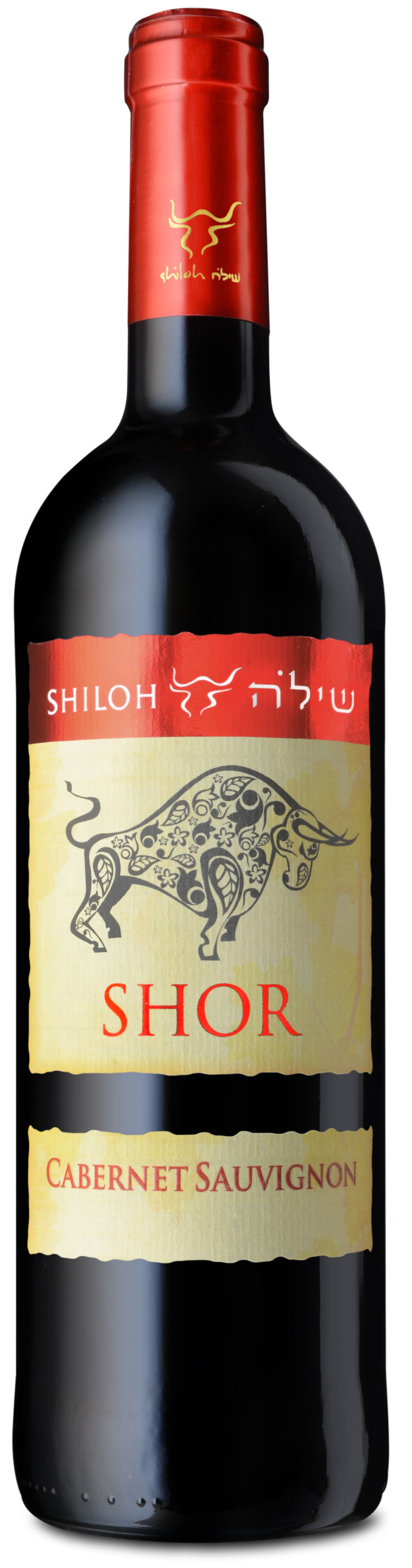
Whether it’s a slow-cooked brisket or a herb-crusted rib roast, the main course is where we bring out the heavy hitters. These dishes, rich in protein and fat, act as a perfect buffer for tannins, making them ideal for bold red wines.
The Pairing: Syrah or cabernet.
Why It Works: The smoky, peppery notes of a Syrah complement the long-braised, savory-sweet profile of brisket. For a herb-crusted roast, look for a bold Cabernet from the Judean Hills to stand up to the garlic and rosemary.


Roast Chicken
The Pairing: Grenache or Merlot.
Why It Works: The softer tannins and red fruit flavors won’t overpower the poultry but provide enough body for the meal.
Complete Tiered Guide for Passover Wine Pairings
These selections incorporate the pairing principles, balancing acidity, sweetness, and tannin while offering options for every budget.

Expert Tip for Matzo Brei Variations
Savory: If you serve your matzo brei with salt and pepper, stick to the brut options. The salt in the food will actually make these dry wines taste fruitier and less acidic.
Sweet: If you prefer it with cinnamon and syrup, swap the brut for a sparkling moscato (like the Bartenura Sparkling Moscato Rosé). Sweet food requires a wine with a higher level of sweetness to prevent the wine from tasting thin or bitter.
With cooking, cleaning, travel, hosting and more, Passover is already very complicated, so don’t let the complications of wine pairing become stressful. However, a little bit of knowledge about some of the basic ideas of wine pairing can help inform your shopping and shape your selections to enhance your meals. Enjoy!


Comments